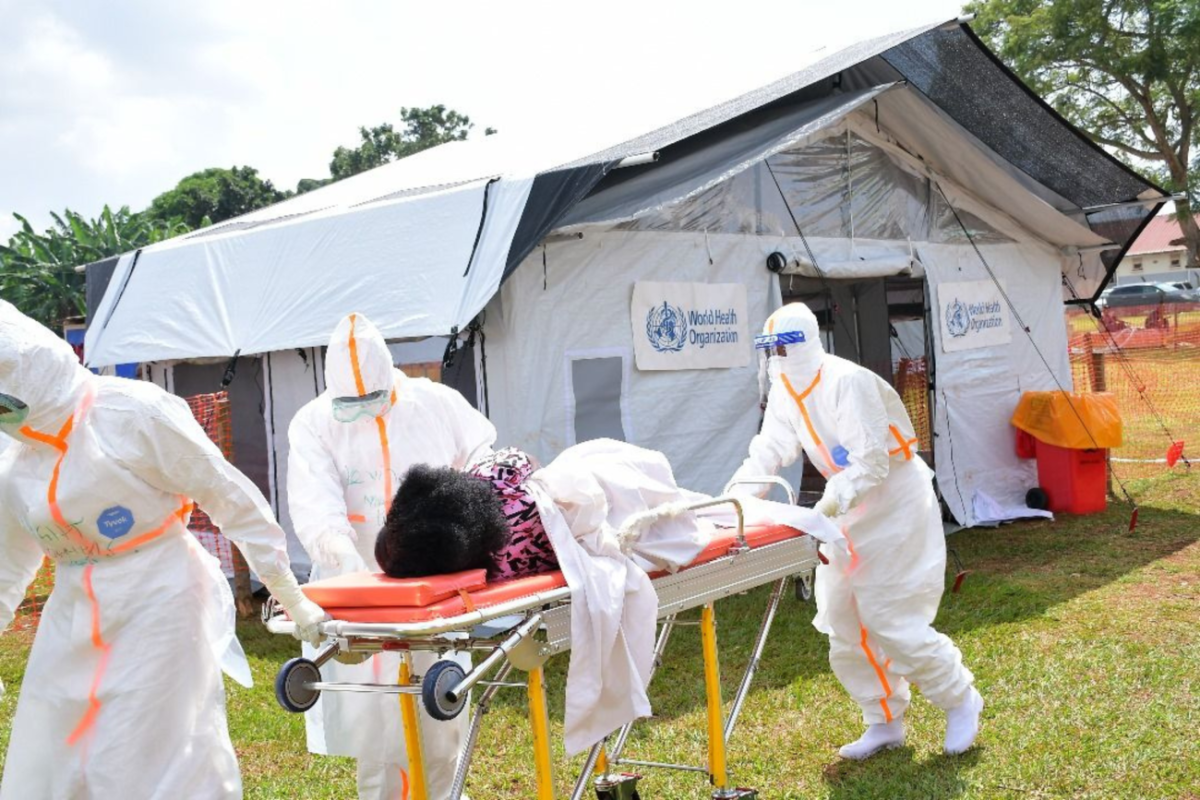
The United Nations (UN) has launched an emergency appeal for US$15.8 million to support Uganda’s Ebola response as the number of confirmed cases of the deadly Bundibugyo strain rises to seven, with more than 300 contacts currently under active follow-up.
According to a statement issued by Michael Wangusa, Communications Officer at the UN Resident Coordinator’s Office, the appeal outlines a comprehensive three-month response plan running from May to August 2026.
The plan brings together the UN Country Team and humanitarian international NGO partners to support Uganda’s national Ebola response efforts.
Wangusa said that although the UN system and humanitarian partners had already mobilized and repurposed US$3.1 million for immediate response activities, a funding gap of US$12.7 million remains.
He warned that the risk of further transmission remains high due to the large number of contacts under monitoring and continued cross-border movement between Uganda and the Democratic Republic of Congo (DRC) for trade, livelihoods, and family ties.
“The appeal supports a comprehensive emergency response across high-risk districts, including refugee settlements, with interventions focused on case management, infection prevention and control, surveillance, risk communication, nutrition, WASH, logistics, and psychosocial support services,” Wangusa said.
The emergency appeal comes amid growing concern within the Ministry of Health over inadequate funding for critical response activities.
On Wednesday, the Permanent Secretary at the Ministry of Health, Dr. Diana Atwine, told journalists that some planned interventions, including deploying Ugandan health workers to support response efforts in the neighbouring DRC, had not yet been implemented because of financial constraints.
Dr. Atwine had earlier indicated that the government requires at least 90 billion Shillings to fully finance Ebola response operations.
Meanwhile, the government has tightened preventive measures at border points.
Dr. Atwine announced that all travellers entering Uganda from the DRC will be subjected to mandatory 21-day self-isolation under the supervision of the Ministry of Health and district surveillance teams.
According to Dr. Charles Olaro, the Director General of Health Services, only high-risk contacts are currently being placed under institutional quarantine, with the majority of those quarantined being health workers.
By Newsroom
28th May 2026
End