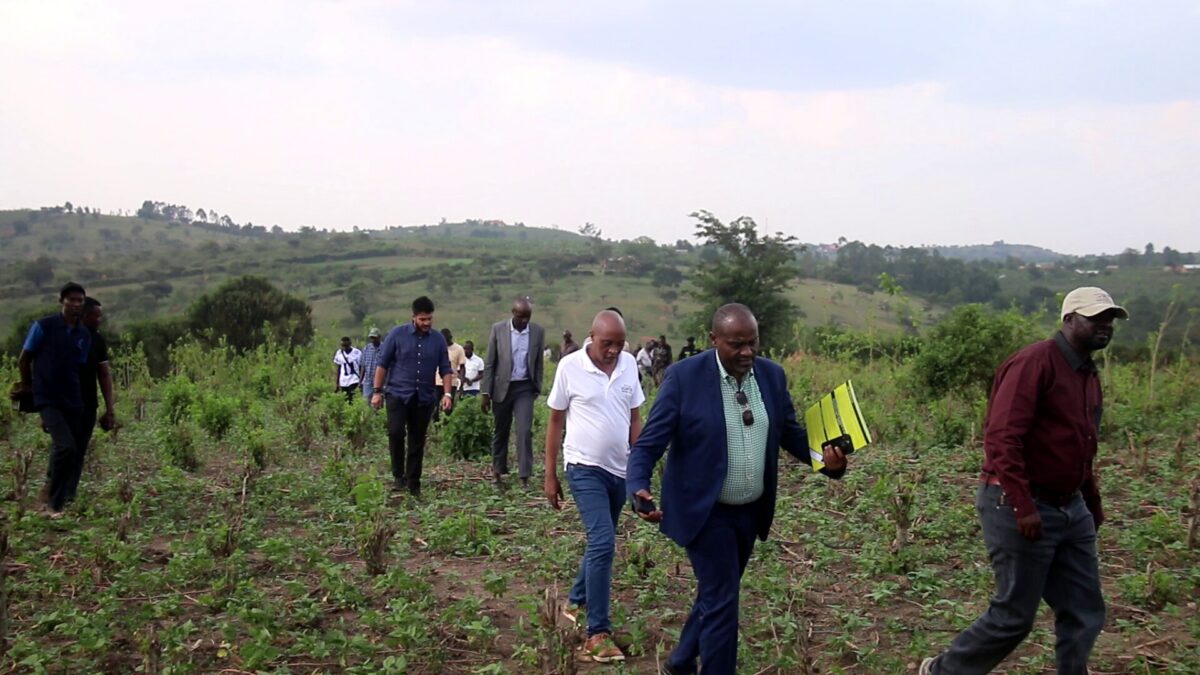
Parliament has raised concern over the failure of government-funded sericulture projects in Sheema and Kiruhura districts to become operational, with legislators calling for urgent intervention to revive the initiative and safeguard public investment.
Members of the Parliamentary Committee on Science, Technology and Innovation raised the concerns during an inspection of the projects over the weekend, saying the stalled initiative has the potential to create jobs, increase household incomes and generate revenue if properly funded and managed.
Sericulture involves the rearing of silkworms for the production of raw silk. In 2022, the government planned to invest Shs756 billion over five financial years to promote sericulture in 50 districts across the country.
The current Shs41 billion government-funded project, established through the Tropical Institute of Development Innovations (TRIDI), was intended to promote silk production and commercialisation in several districts, including Sheema, Kiruhura, Bulambuli, Kween, Kamuli, Mubende, Mukono, Iganga, Luwero, Kayunga, Nakaseke, Bukedea, Zombo, Nwoya, Buikwe, Pallisa, Busia, Amolatar, Otuke, Lira, Agago and Pader.
In Sheema, legislators were denied access to the factory despite efforts to obtain clearance from the Chief Administrative Officer, Huddu Nsubuga.
Nsubuga told the committee that he was not aware of the legislators’ visit.
In Kiruhura, District Chairperson Dan Mukago Rutetebya told the committee that the district had allocated 25 acres of land for the project.
However, he said the initiative failed after the contractor allegedly diverted funds allocated for the project to other projects in different districts.
The committee, led by Kashari North Member of Parliament Patrick Musinguzi, said the inspection was part of Parliament’s oversight responsibility to establish whether public resources are being properly utilised and to identify challenges affecting the implementation of government projects.
The legislators called for action to address the challenges affecting the sericulture initiative and ensure that the public investment is not lost.
By Alex Magala