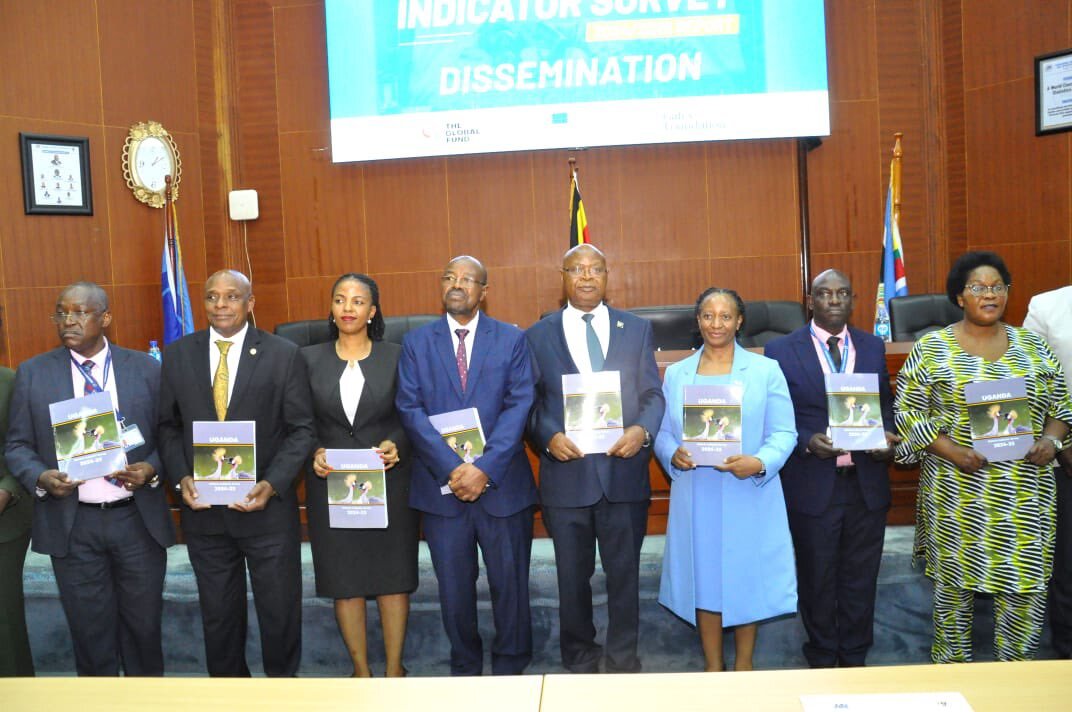
The government has registered progress in reducing malaria among pregnant women, but new findings show an increase in malaria prevalence among children aged six years and below.
According to the Uganda Malaria Indicator Survey 2025 released by the Uganda Bureau of Statistics (UBOS), malaria prevalence among children has risen from 10 percent in 2019 to 13 percent in 2025.
UBOS officials Stephen Baryahirwa and Lilian Akinyi said the survey indicates that malaria infection rates among children are significantly higher in low-income households, standing at 23 percent, compared to just 2 percent among high-income earners.
Regionally, the report shows that malaria prevalence among children is highest in the Lango sub-region at 32 percent, while the lowest rates were recorded in Kampala and the Kigezi sub-region, both at 1 percent.
The increase in malaria cases among children has been attributed to several factors, including lack of insecticide-treated mosquito nets, failure by households to consistently sleep under treated nets, and limited access to proper medical guidance for treatment.
However, the report highlights improved uptake of malaria prevention services among pregnant women, largely due to government-led health initiatives.
The survey shows that the proportion of pregnant women taking at least three doses of Fansidar increased from 72 percent in 2019 to 87 percent in 2025.
Similarly, those receiving three doses of intermittent preventive treatment during pregnancy rose from 89 percent in 2019 to 95 percent in 2025.
The number of pregnant women sleeping under mosquito nets also increased from 59 percent in 2019 to 65 percent in 2025.
Recommended malaria prevention strategies by the World Health Organization include prompt diagnosis and treatment, consistent use of insecticide-treated mosquito nets, and intermittent preventive treatment for pregnant women.
Despite the progress, the report highlights several challenges that still prevent some pregnant women from accessing essential health services.
These include lack of awareness about the recommended drugs during pregnancy, shortages of medicines in some health facilities, long distances to health centres, and concerns about possible side effects of certain medications.
By Olivia Nabaggala
12th Mar 2026
End