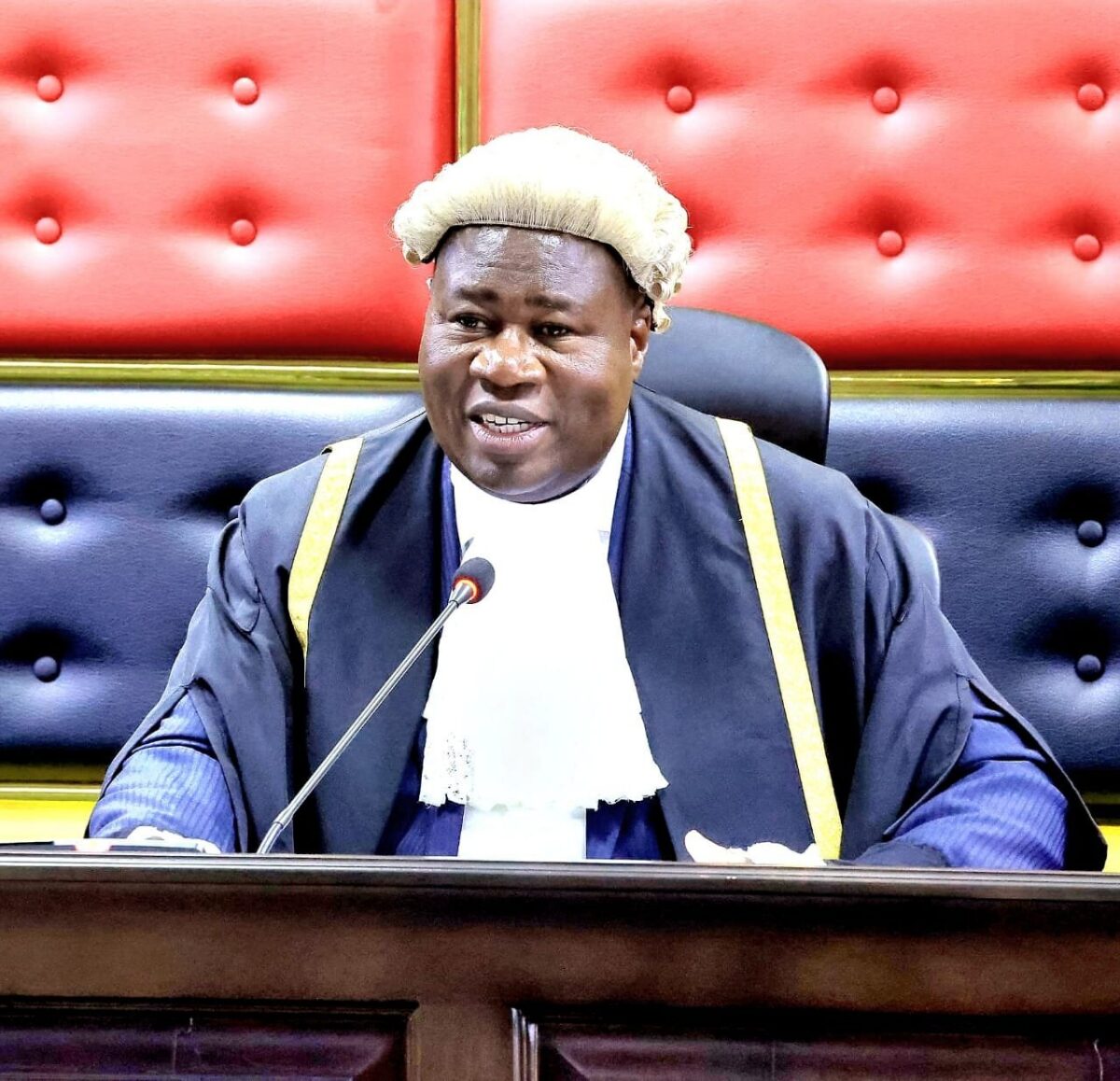
The Speaker of Parliament, Jacob Oboth-Oboth, has called for urgent reforms to accelerate the implementation of World Bank-funded projects in Uganda, expressing concern over prolonged delays that have hindered the delivery of essential public services.
During a meeting with the World Bank Country Director, Dr. Francisca Ayodeji Akala, the Speaker questioned why projects and loan-funded programmes take several years to transition from approval to implementation, despite the country’s pressing development needs.
Oboth-Oboth noted that delays have affected key sectors, including energy, roads, health and education, leaving some communities waiting for years to benefit from planned development interventions.
He called for a review of approval and procurement procedures to eliminate unnecessary bureaucratic hurdles and speed up project execution.
In response, Dr. Akala explained that much of the delay originates from Uganda’s project implementation agencies, particularly during procurement and contract award processes.
She revealed that Uganda takes an average of 539 business days to complete the procurement cycle, compared to 251 days across the World Bank’s East Africa region.
Bid evaluation alone takes approximately 287 days, while contract signing requires an average of 68 days.
Dr. Akala, however, noted that the World Bank’s own review process in Uganda takes an average of 6.9 business days, slightly faster than the regional average of 7.7 days.
She acknowledged that the Bank also has areas where its procedures could be improved.
The Country Director further highlighted the Energy Access Scale-up Project, which is expected to close in June 2027 but has so far disbursed only 33 per cent of its allocated funds, raising concerns about the pace of implementation.
She called for stronger parliamentary oversight of implementing ministries and improved coordination between government agencies and development partners to ensure that funded projects deliver their intended results.
In response to the concerns raised, Oboth-Oboth pledged to convene a broader meeting involving the Prime Minister, the World Bank, the Ministry of Finance and other key government ministries to identify implementation bottlenecks and agree on practical measures to accelerate project delivery.
He also called for faster adoption of electronic government procurement, noting that the system could enhance transparency, minimise human interference, reduce procurement timelines and strengthen accountability.
The engagement comes amid growing concerns over delays in the utilisation of development financing, with Parliament seeking to ensure that approved loans and other funding commitments translate into timely infrastructure development and improved public services for Ugandans.
By Alex Magala
6th Nov 2026