Multiple sexual partnerships, poverty, gender inequality and sexual and gender-based violence have been identified as some of the major factors undermining Uganda’s efforts to combat the spread of HIV/AIDS, with adolescent girls and young women remaining among the most vulnerable groups.
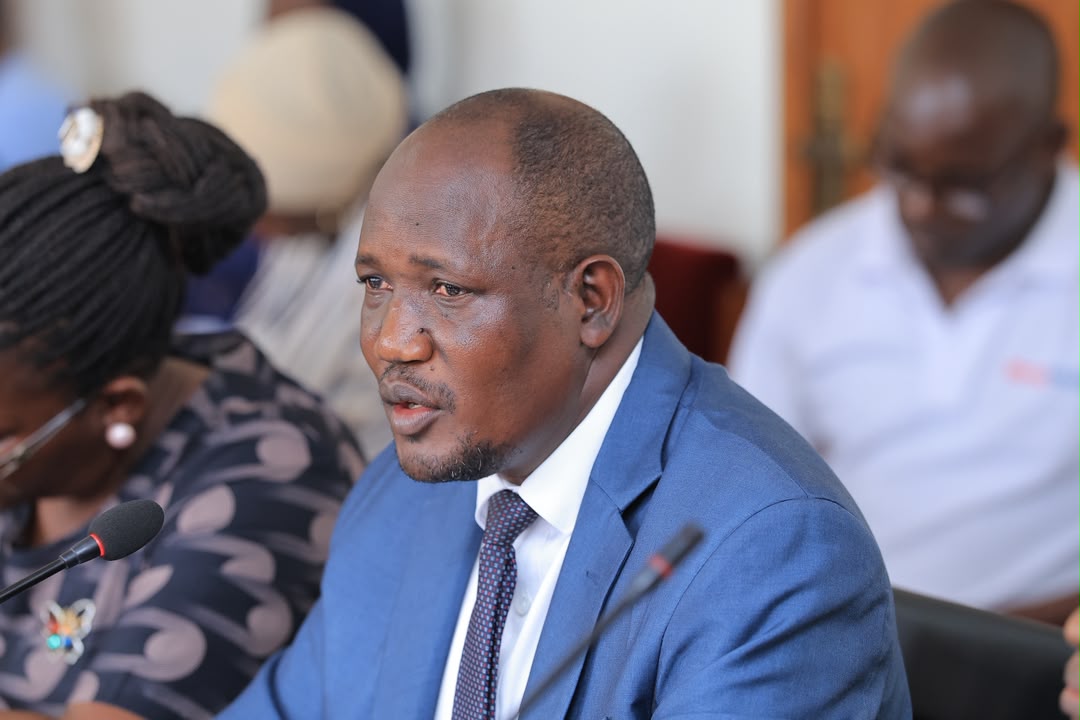
The Chairperson of Parliament’s Committee on HIV/AIDS, Stephen Kisa, who is also the Member of Parliament for Luuka South, says that despite significant progress in reducing new HIV infections, the country continues to face challenges, particularly among young people aged between 15 and 24 years.
Kisa noted that poverty, multiple sexual partnerships, gender inequality and sexual and gender-based violence continue to expose many young people to HIV infection, threatening progress towards ending the epidemic.
He made the remarks as Uganda prepares to join the rest of the world in commemorating World AIDS Day on December 1, 2026, under the international theme, “Ending AIDS Starts with Access,” which calls for improved access to HIV prevention, testing and treatment services.
According to Kisa, Uganda has registered considerable progress in the fight against HIV/AIDS, with new infections declining by 65 percent, from approximately 96,000 in 2010 to about 34,000.
He added that HIV prevalence has also reduced from 7.3 percent to approximately 5.5 percent.
However, the legislator expressed concern over continued HIV infections among young people, particularly students in schools and institutions of higher learning, warning that the trend requires renewed attention and targeted interventions.
As part of Parliament’s contribution to the national response, Kisa announced that Parliament will hold an HIV Awareness Week from November 30 to December 2, 2026, under the theme “Let’s Stop the Epidemic.”
The week-long activities will include HIV awareness campaigns, fitness sessions, health screenings and community engagements aimed at encouraging positive behavioural change, combating stigma and improving access to HIV prevention, testing and treatment services.
Meanwhile, Kisa has called on Members of Parliament to take an active role as ambassadors in the fight against HIV/AIDS by intensifying community sensitisation in their respective constituencies.
He urged legislators to use their leadership positions to promote responsible behaviour, support HIV prevention initiatives and encourage communities to access available health services as Uganda strengthens efforts to end the HIV/AIDS epidemic by 2030.
By Francis Lubega
27th Nov 2026
End