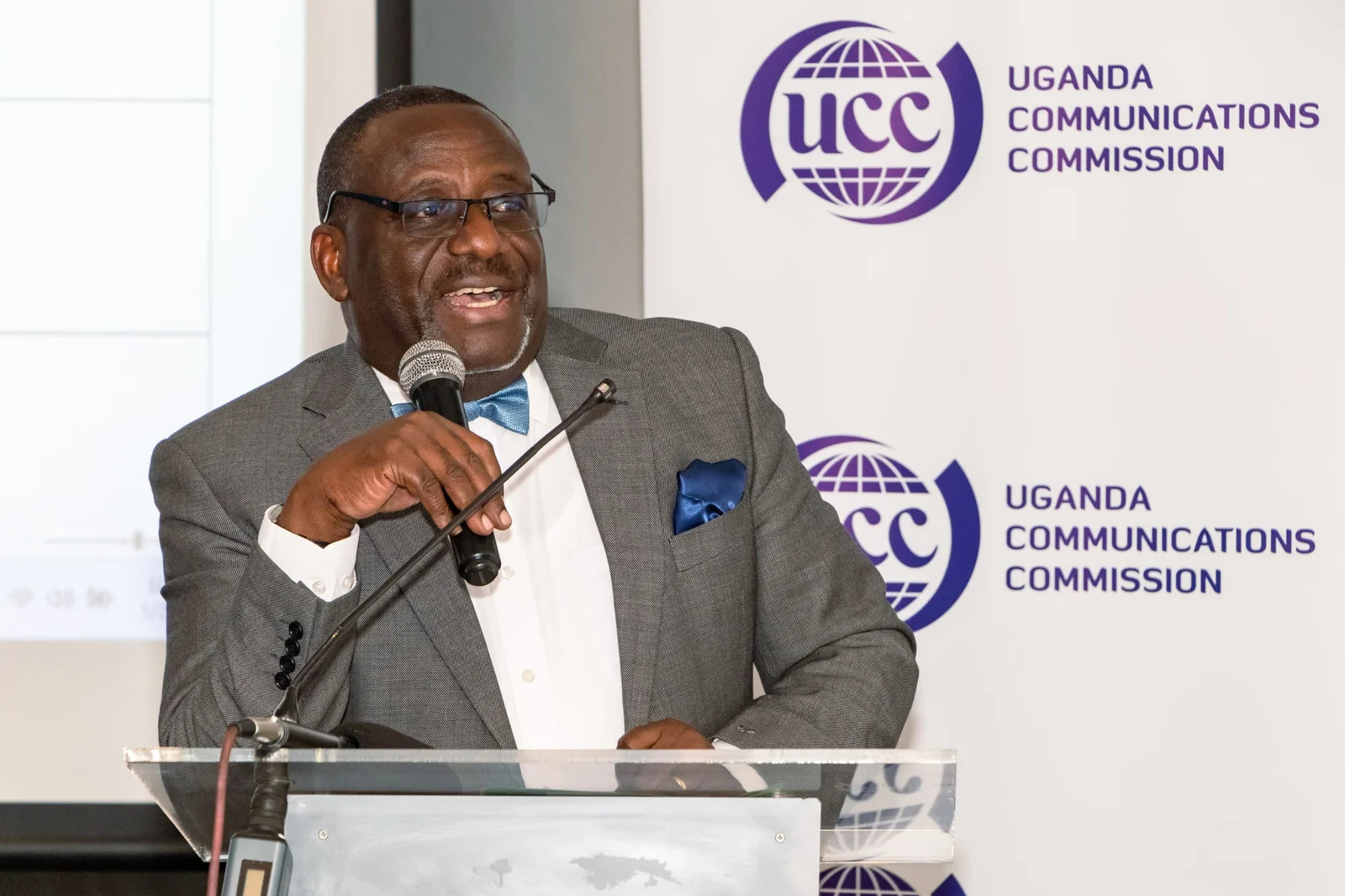
The Executive Director of the Uganda Communications Commission (UCC), Nyombi Thembo, has renewed his warning to unlicensed public Wi-Fi operators, urging them to regularise their operations before the Commission intensifies enforcement of telecommunications laws.
Appearing before Parliament’s Committee on Equal Opportunities, Thembo said thousands of operators are contributing to revenue losses, raising cybersecurity concerns and creating challenges related to lawful interception.
He accused some operators of commercially reselling home internet connections without the necessary licences, warning that the practice undermines fair competition and disrupts the telecommunications sector.
Thembo revealed that the Commission has started identifying the operators and deploying technology to restrict their services.
He cautioned consumers against purchasing internet access from unlicensed networks, warning that they could lose their money if the services are switched off during enforcement.
However, the UCC boss said the Commission is considering a compliance pathway through which eligible operators could obtain licences and continue providing their services legally.
He added that a tripartite committee involving the regulator, network operators, internet service providers and affected Wi-Fi businesses had been established to explore possible solutions.
On radio broadcasting, Thembo told the committee that the issue of the required frequency spectrum had already been addressed.
He noted that operators in central Uganda could use online radio services while awaiting further developments.
He explained that online radio operates under a simpler authorisation process, with costs reportedly below Shs 200,000.
However, he emphasised that listeners require internet access to tune in to the services.
Thembo maintained that the Commission would continue enforcing telecommunications laws while engaging stakeholders to establish a regulated operating environment that protects consumers, safeguards government revenue and addresses national security concerns.
END