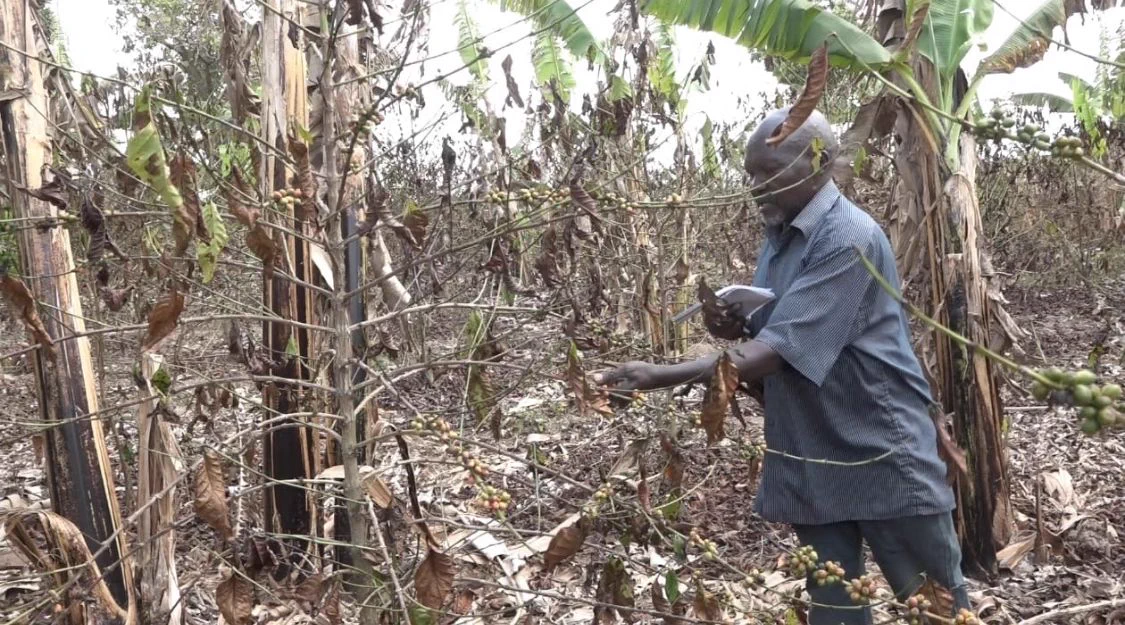
Thousands of coffee seedlings distributed to farmers in Katakwi District have dried up following the rollout of a government coffee-growing programme during a prolonged dry spell, prompting farmers to call for better planning, irrigation and training before more seedlings are distributed.
The farmers say the programme, which is intended to promote commercial agriculture in the Teso Sub-region, was rolled out without adequate consideration of the region’s weather conditions, leaving many unable to keep the seedlings alive.
In June, Vice President Jessica Alupo launched a campaign to distribute more than 80 million high-value coffee seedlings across the Teso Sub-region as part of government efforts to shift farmers from traditional dependence on cotton and subsistence farming to more profitable commercial enterprises.
However, farmers in Katakwi say the timing of the distribution has undermined the programme, with many seedlings drying up before they could become established.
They argue that the government should have first prepared farmers by providing access to water and supporting small-scale irrigation systems to help them maintain the seedlings during prolonged dry periods.
Some farmers have also questioned the suitability of coffee for parts of Teso, arguing that communities facing food insecurity need crops that can withstand local climatic conditions while providing both food and income.
They say coffee requires reliable rainfall to survive and have urged the government to consider promoting drought-tolerant crops such as cassava, soybeans and sweet potatoes in areas where coffee production may be difficult.
The farmers are calling for a review of the programme, better timing of seedling distribution and increased investment in farmer training, water access and irrigation before additional seedlings are supplied.
By Our Reporter