The United States has broadened its controversial visa bond pilot program, now including Uganda and more than 30 additional nations whose nationals could be required to post refundable bonds of up to USD 15,000 (approximately 54 million Shillings) before receiving short-term business or tourist visas.
The policy, overseen by the U.S. Department of State in coordination with the Department of Homeland Security (DHS), will take effect on January 21, 2026, for most of the newly added countries, including Uganda. It applies specifically to B-1 (business) and B-2 (tourist) visa categories.
Under the program, consular officers may require applicants to post bonds of USD 5,000 (around 18 million Shillings), USD 10,000 (36 million Shillings), or USD 15,000 (54 million Shillings), based on individual risk assessments conducted during visa interviews.
These payments will be made through the U.S. government’s Pay.gov system.
The visa bond requirement is authorized under Section 221(g)(3) of the Immigration and Nationality Act (INA) and is structured as a one-year pilot program to assess its operational feasibility and its effectiveness in improving visa compliance. The primary aim is to reduce the incidence of visa overstays.
Applicants who meet the visa conditions, notably by departing the U.S. before their authorized stay expires, are eligible for a full refund. Bonds will also be refunded if the visa expires unused or if entry is denied at the port of arrival.
Uganda has been flagged due to its reported overstay rates, placing it alongside other countries like Nigeria, Tanzania, and Zimbabwe.
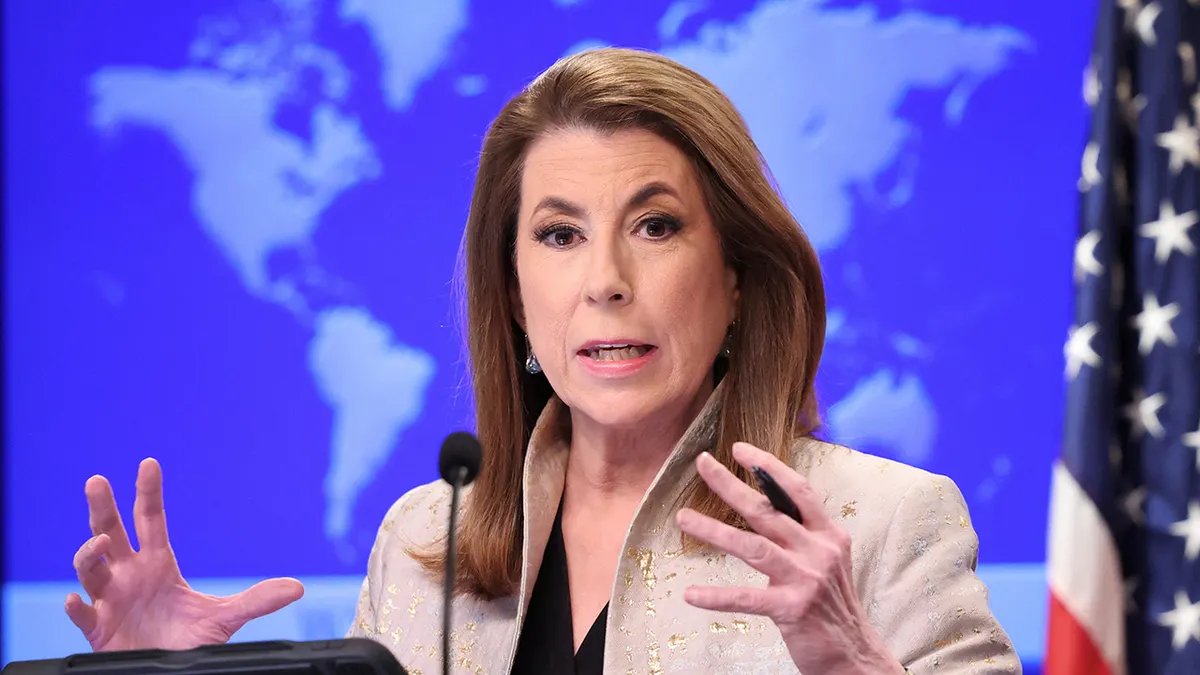
State Department spokesperson Tammy Bruce emphasized that the expansion is based on data, not political considerations. “This pilot program evaluates whether visa bonds can serve as an effective compliance tool, based on objective overstay metrics,” she explained.
END