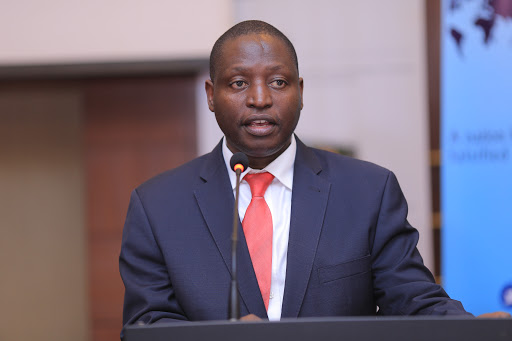
Calls for continental unity, faster decision-making, and increased investment in Africa’s industrial sector dominated the opening of Africa Industrialization Week at Speke Resort Munyonyo, where over 500 delegates from across the continent gathered to chart a new phase of economic transformation.
Uganda’s State Minister of Trade, Industry and Cooperatives, David Bahati, opened the conference by stressing that Africa must move in step with the rest of the world.
He observed that despite the continent’s rich natural resources and a projected GDP of $2.8 trillion, industrial output remains too low to compete globally.
Bahati highlighted that high energy costs, inefficient transport systems, expensive credit, and corruption continue to hinder industrial growth.
He noted that slow decision-making in public offices discourages investors and stalls major projects.
He further emphasized that deeper regional integration and harmonized policies are crucial to building strong value chains and lowering production costs.
Highlighting Uganda’s own progress, Bahati pointed to the country’s growth from 81 factories in 1986 to more than 10,000 today, noting that manufacturing now contributes 15.6% to the nation’s GDP.
Pan African Women Organization (PAWO) Secretary General Dr. Grace Kaboyo urged African governments to actively involve women and youth in industrialization efforts.
She suggested that inclusive financing and expanded opportunities for these groups would strengthen the continent’s overall productive capacity.
END